HOW TO CHOOSE AN INTERIOR DESIGNER IN RAJKOT
Expert tips to help you choose the right Interior Designer in Rajkot for your home, office, or commercial project with confidence.
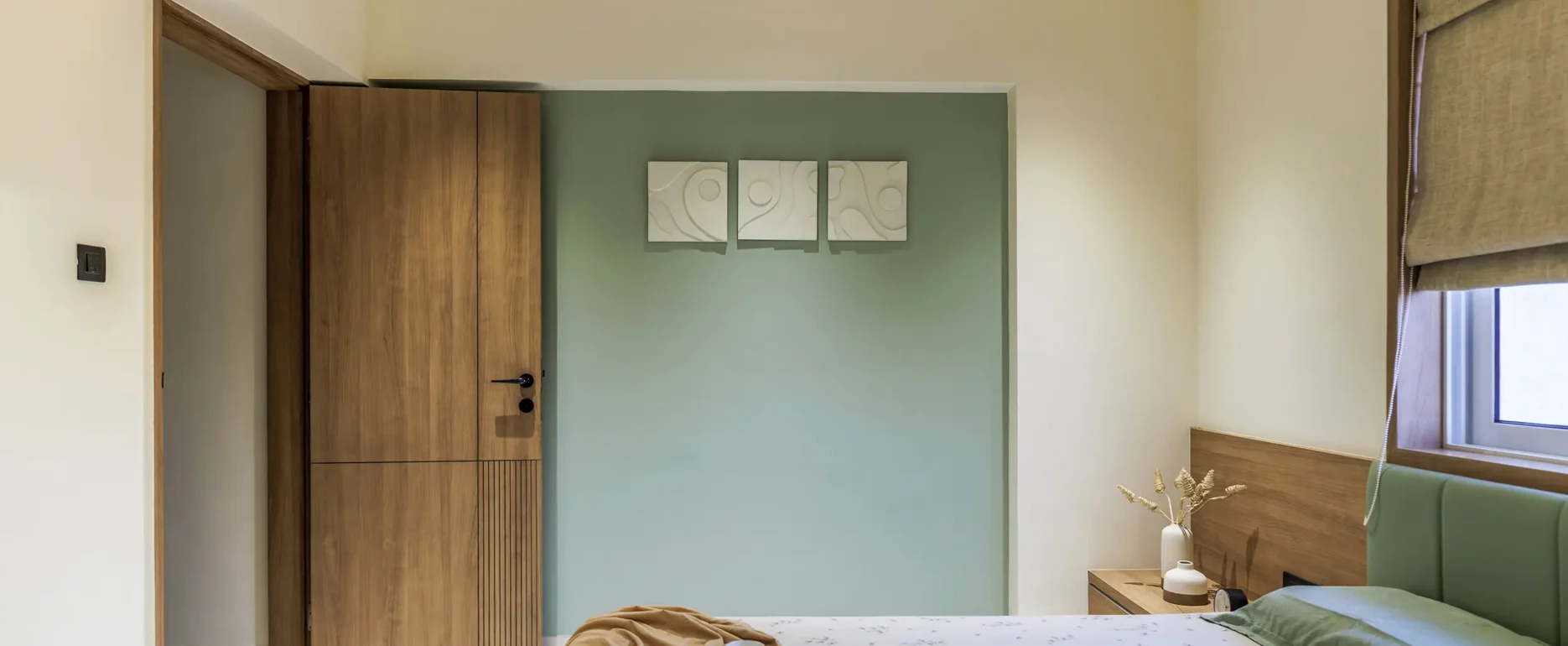
How to Choose an Interior Designer in Rajkot is an important question when planning a home, office, restaurant, café, clinic, or retail space. The right interior designer can help with space planning, materials, budgeting, design development, and project execution while creating a functional and visually appealing space.
An experienced interior designer does much more than decorate a room. They understand how people interact with a space, how natural and artificial lighting affect the atmosphere, how furniture should be arranged for comfort, and how materials perform over time. Every design decision influences the way you live, work, and experience the environment.
In Rajkot, there are many interior designers offering residential, commercial, and turnkey interior solutions. With so many options available, choosing the right professional can feel overwhelming. Some firms focus on luxury homes, while others specialise in office interiors, restaurants, cafés, retail stores, or complete turnkey execution.
The right designer will understand your lifestyle, business goals, budget, and project timeline. They will guide you through every stage of the process—from planning and design to material selection and execution—ensuring your investment delivers long-term value.
This guide explains everything you should know before hiring an interior designer so you can make a confident and informed decision.
How to Choose an Interior Designer in Rajkot
Many people believe interior design is only about selecting colours, furniture, and decorative accessories. In reality, professional interior design combines creativity, technical expertise, planning, engineering coordination, and project management.
A well-designed interior can improve the quality of everyday life by making spaces more organised, comfortable, and efficient. Whether it’s a compact apartment or a large commercial office, good design ensures every square foot is used effectively.
Hiring the right designer offers several advantages:
- Better space utilisation
- Smart storage solutions
- Functional layouts
- Improved lighting design
- Proper material selection
- Consistent design language
- Better project management
- Higher property value
- Fewer construction mistakes
- Long-term durability
Instead of making costly changes after construction begins, a professional designer plans everything in advance, helping you save both time and money.
Define Your Project Requirements First
Before contacting any interior designer, take some time to clearly understand your own requirements.
Ask yourself the following questions:
- Is it a residential or commercial project?
- Are you building a new property or renovating an existing one?
- Which design style do you prefer?
- Do you want a modern, luxury, minimal, industrial, Scandinavian, or contemporary interior?
- Do you need complete turnkey execution or only design consultation?
- What is your estimated budget?
- What is your expected completion timeline?
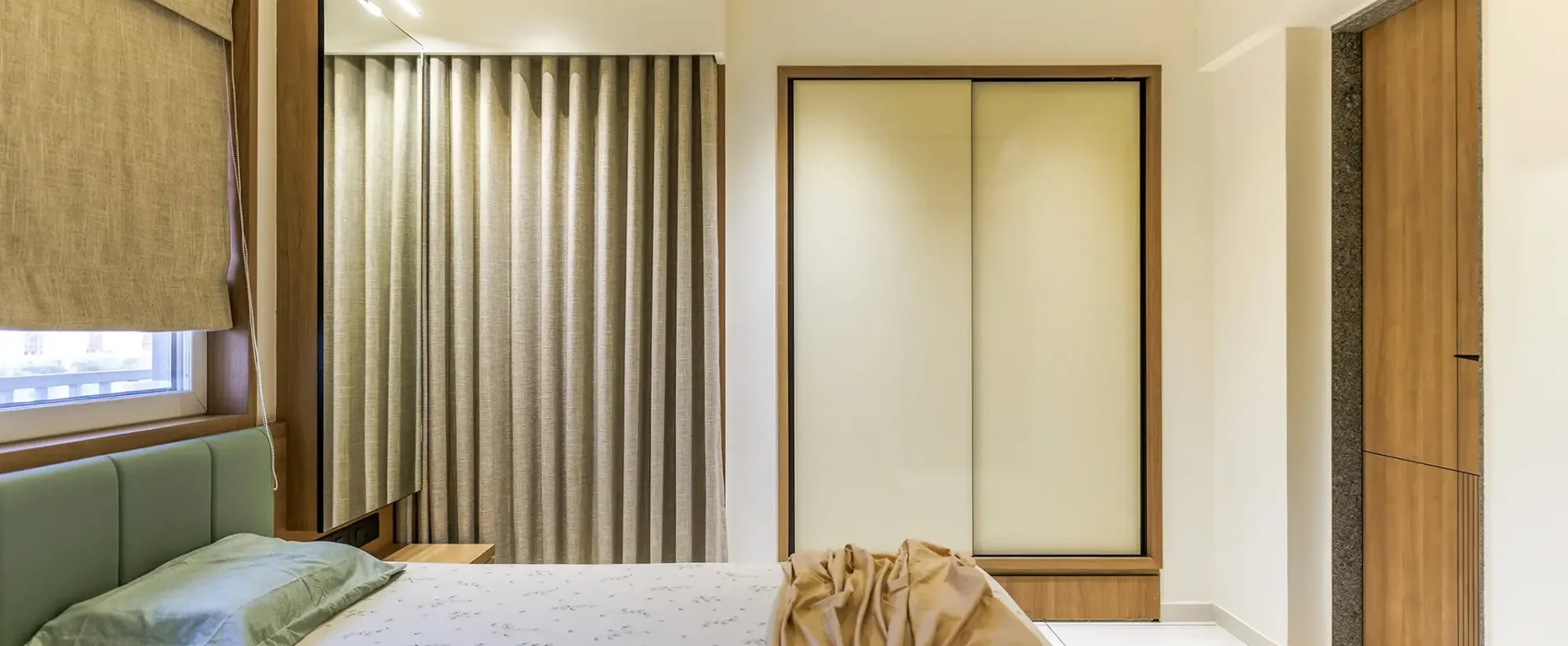
Review Their Portfolio Carefully
One of the most common mistakes people make is choosing a designer based only on attractive social media posts.
Beautiful photographs may show impressive interiors, but they don’t reveal how well the space functions or whether the project met the client’s expectations.
Instead, study the designer’s portfolio carefully.
Look for projects that demonstrate:
- Intelligent space planning
- Practical layouts
- Functional furniture design
- Quality craftsmanship
- Attention to detail
- Balanced lighting
- Material combinations
- Consistent finishing quality
Also, check whether they have experience with projects similar to yours.
For example:
- Apartments
- Villas
- Offices
- Restaurants
- Cafés
- Retail stores
- Clinics
- Commercial buildings
A designer with experience across multiple sectors is often better prepared to solve different design challenges.
Experience Matters More Than Trends
Interior design trends change every year.
One year, minimal interiors dominate. The next year, warm wood finishes or bold colours become popular.
While trends can inspire your project, practical experience remains far more valuable.
An experienced interior designer understands:
- Site limitations
- Structural constraints
- Budget planning
- Material durability
- Construction coordination
- Vendor management
- Timeline planning
- Problem-solving during execution
Instead of asking only how many years a designer has been in business, ask questions such as:
- Can I visit one of your completed projects?
- Have you worked on projects similar to mine?
- Do you specialise in residential or commercial interiors?
- Can you show before-and-after project transformations?
- How do you handle unexpected site challenges?
These questions provide a much clearer understanding of a designer’s capabilities than simply looking at years of experience.
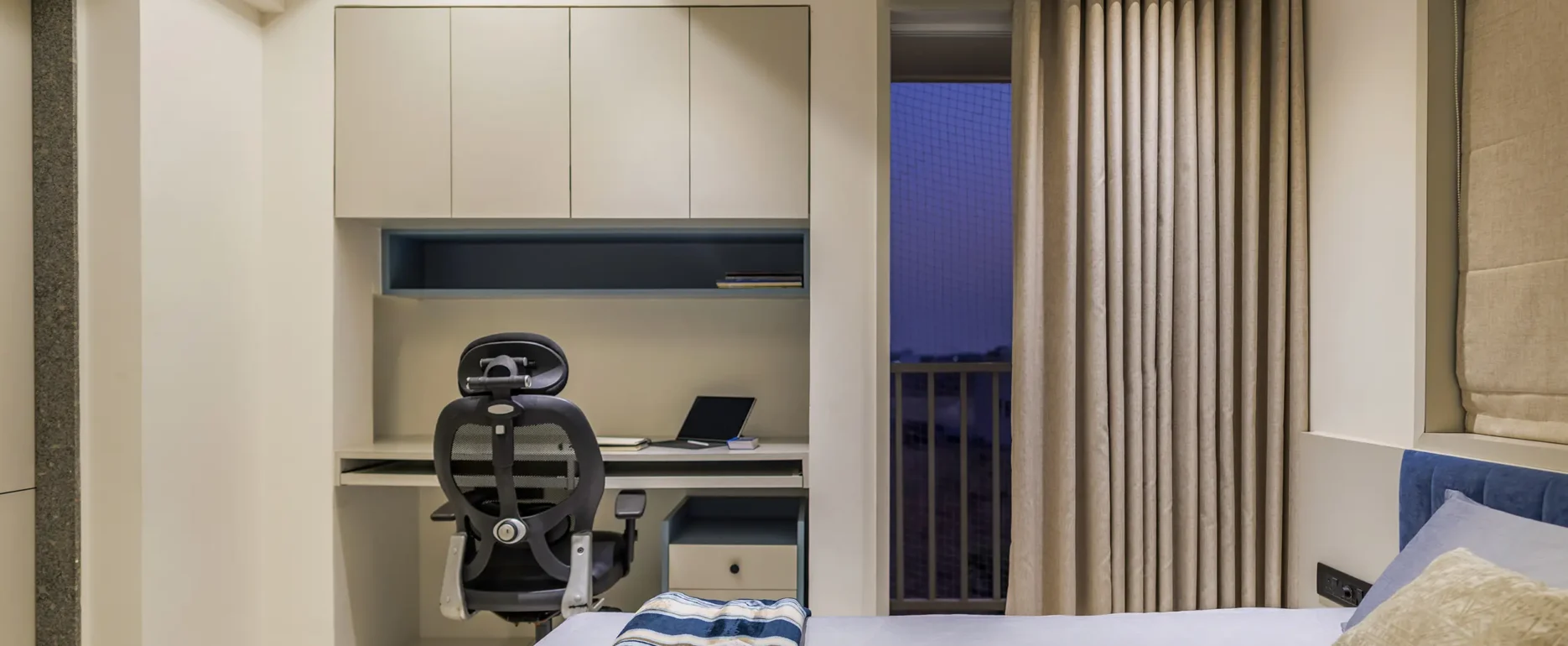
Space Planning Is More Important Than Decoration
One of the biggest misconceptions about interior design is that decoration comes first.
In reality, successful interiors always begin with thoughtful space planning.
Even the most expensive furniture cannot fix a poorly planned layout.
Professional space planning focuses on creating environments that are practical, comfortable, and visually balanced. It considers how people move through the space, where furniture should be positioned, how much storage is required, and how lighting should be distributed throughout the room.
Good space planning improves:
- Everyday functionality
- Comfortable movement
- Better storage
- Furniture placement
- Lighting efficiency
- Ventilation
- Accessibility
- Long-term flexibility
A smaller home with intelligent planning often feels larger and more comfortable than a spacious home with poor layout decisions.
Evaluate Their Design Process
Choosing an interior designer isn’t just about the final design—it’s also about how they manage the entire project. A structured design process helps avoid confusion, delays, and costly mistakes.
A professional interior design firm usually follows these stages:
Knowing How to Choose an Interior Designer in Rajkot also means understanding how the designer manages planning, communication, material selection, revisions, and project execution.
1. Initial Consultation
2. Site Visit & Measurements
3. Requirement Analysis
4. Space Planning
5. Concept Development
6. Mood Board Presentation
7. Material Selection
8. 3D Visualization
9. Working Drawings
10. Cost Estimation
11. Site Execution
12. Final Handover
A well-defined process ensures that every stage is planned before construction begins. It also keeps the client informed throughout the project, reducing misunderstandings and helping the project stay on schedule.
When discussing your project, ask the designer to explain their workflow. A transparent process is often a sign of a well-organized and experienced team.
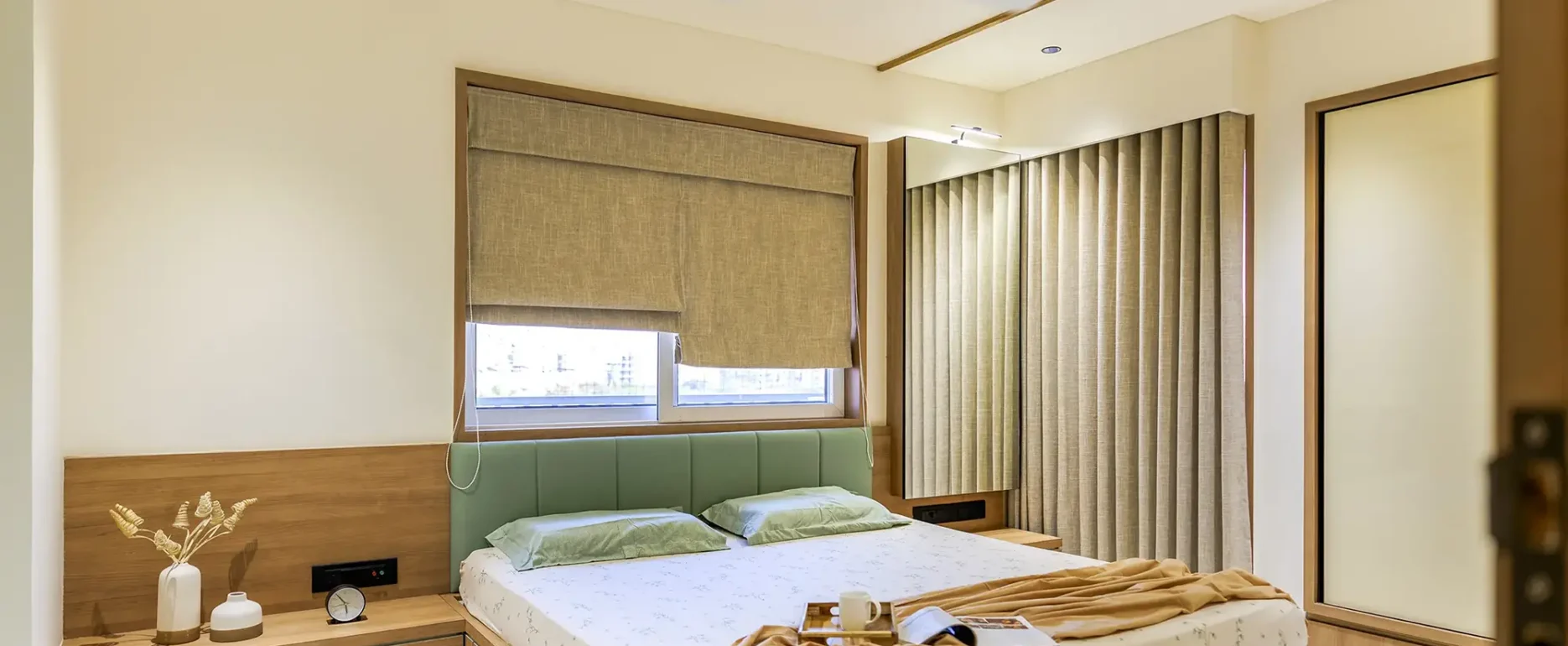
Discuss Your Budget Honestly
Budget is one of the most important aspects of any interior project, yet it’s often discussed too late.
Many homeowners hesitate to reveal their budget, assuming it might increase the project cost. In reality, sharing a realistic budget helps the designer recommend suitable materials, finishes, and layouts that fit your financial expectations.
A professional designer should provide a transparent estimate that clearly outlines:
- Design fees
- Civil work
- Furniture
- Modular kitchen
- Wardrobes
- False ceiling
- Electrical work
- Lighting
- Plumbing
- Painting
- Hardware
- Labour
- Site supervision
Avoid choosing a designer based solely on the lowest quotation. Low-cost proposals sometimes compromise on material quality, workmanship, or execution standards.
Instead of asking, “Who is the cheapest?”, ask:
“Who offers the best value for my investment?”
A well-executed interior lasts for years, making quality a more important factor than initial savings.
Material Selection Matters
Beautiful interiors depend not only on design but also on the quality of materials used.
Every material has different characteristics, durability, maintenance requirements, and cost. A knowledgeable interior designer helps you choose materials that suit your lifestyle as well as your budget.
Some commonly used interior materials include:
- Plywood
- MDF
- HDHMR Boards
- Laminates
- Veneers
- Acrylic Finishes
- PU Paint
- Quartz
- Granite
- Marble
- Wooden Flooring
- SPC Flooring
- Glass
- Metal Finishes
Rather than recommending the most expensive option, a professional designer explains the advantages and limitations of each material, allowing you to make informed decisions.
Understand Turnkey Interior Design
Many clients today prefer turnkey interior design because it simplifies the entire project.
Instead of hiring separate contractors for civil work, carpentry, electrical work, painting, furniture, and lighting, a turnkey interior company manages everything under one roof.
A turnkey interior project generally includes:
- Interior Design
- Space Planning
- 3D Design
- Working Drawings
- Material Procurement
- Site Management
- Vendor Coordination
- Furniture Manufacturing
- Lighting Installation
- Quality Control
- Final Cleaning
- Project Handover
The biggest advantage is convenience. You communicate with one team instead of coordinating multiple vendors, reducing delays and improving accountability.
Communication Is the Key to Success
Interior projects often take several weeks or even months to complete. During this time, clear communication becomes essential.
A reliable interior designer should:
- Listen carefully to your ideas.
- Explain technical concepts in simple language.
- Provide regular project updates.
- Inform you about any delays or changes.
- Discuss alternatives when unexpected issues arise.
- Be open to feedback while maintaining professional recommendations.
Good communication builds trust and ensures the project moves forward smoothly.
Confirm the Project Timeline
Every project should have a realistic timeline.
Ask your designer about:
- Design completion schedule
- Material procurement time
- Manufacturing duration
- Site execution timeline
- Installation dates
- Final handover schedule
While minor delays can occur due to material availability or site conditions, a professional team will communicate these changes in advance and adjust the schedule responsibly.
Visit an Ongoing or Completed Project
Before making your final decision, ask if you can visit one of the designer’s completed or ongoing projects.
Seeing the work in person allows you to evaluate:
- Finishing quality
- Material standards
- Attention to detail
- Storage solutions
- Lighting quality
- Workmanship
- Overall execution
A completed project often reveals far more than photographs on social media.
Read Client Reviews Before Making a Decision
Before hiring an interior designer, spend a few minutes reading their Google Reviews, testimonials, and project feedback.
Reviews often reveal information that a portfolio cannot.
Look for feedback about:
- Project quality
- Communication
- Professionalism
- Timely completion
- Budget transparency
- After-sales support
- Problem-solving
- Client satisfaction
A company with consistent positive reviews is usually more reliable than one with only attractive social media content.
Whenever possible, ask the designer if you can speak with one of their previous clients. Honest conversations with past clients often provide valuable insights into the overall experience.
I am text block. Click edit button to change this text. Lorem ipsum dolor sit amet, consectetur adipiscing elit. Ut elit tellus, luctus nec ullamcorper mattis, pulvinar dapibus leo.
Questions to Ask Before Hiring an Interior Designer
Choosing an interior designer is an important decision, and asking the right questions helps you understand their experience, process, and approach.
Before hiring a designer, knowing How to Choose an Interior Designer in Rajkot can help you ask the right questions and understand their experience, design process, budget, timeline, and project execution.
Before signing an agreement, ask questions such as:
- Can I see your completed projects?
- Do you provide 3D designs?
- Do you offer turnkey interior solutions?
- How long will my project take?
- Who will supervise the site?
- How frequently will I receive project updates?
- Which materials do you recommend?
- How are design revisions handled?
- What happens if additional work is required?
- Do you provide support after project completion?
Professional designers will answer these questions confidently and explain every stage of the project clearly.
Common Mistakes to Avoid
Many people unknowingly make mistakes that lead to delays, unnecessary expenses, and disappointing results.
Avoid these common mistakes:
- Hiring the cheapest designer without checking quality.
- Choosing a designer based only on Instagram photos.
- Ignoring written quotations and agreements.
- Not discussing the budget openly.
- Making frequent design changes during execution.
- Selecting materials without understanding their durability.
- Ignoring lighting and electrical planning.
- Focusing only on appearance instead of functionality.
- Not checking previous client reviews.
- Starting work without a clear project timeline.
Avoiding these mistakes will save both time and money while ensuring a smoother project experience.
✔ Interior Designer Hiring Checklist
Before making your final decision, make sure you have completed this checklist.
✔ Clearly defined your project requirements.
✔ Reviewed the designer’s portfolio.
✔ Compared multiple quotations.
✔ Verified experience with similar projects.
✔ Understood the design process.
✔ Discussed the complete budget.
✔ Confirmed the project timeline.
✔ Checked Google Reviews.
✔ Visited a completed project if possible.
✔ Signed a proper agreement before work begins.
This simple checklist can help you choose the right interior designer with confidence.
Why Choose White Space Workshop?
At White Space Workshop, we believe great interior design goes beyond aesthetics. Every project begins with understanding how our clients live, work, and interact with their spaces.
Our approach combines thoughtful planning, creative design, and quality execution to create interiors that are functional, timeless, and tailored to individual needs.
We offer design solutions for:
- Residential Interiors
- Luxury Villas
- Apartments
- Office Interiors
- Restaurants & Cafés
- Retail Stores
- Clinics
- Commercial Spaces
Our services include:
- Space Planning
- Interior Design
- Architectural Design
- Furniture Design
- Lighting Design
- Material Selection
- Turnkey Interior Solutions
- Branding
- Website Design
- Digital Marketing
By combining design expertise with practical execution, we help our clients create spaces that not only look exceptional but also perform beautifully in everyday life.
Conclusion
Knowing How to Choose an Interior Designer in Rajkot can help you make a more informed decision for your project. Consider the designer’s portfolio, experience, design process, budget transparency, communication, material selection, and project execution before making your final choice.
Rather than focusing only on design style or pricing, evaluate experience, communication, project management, material selection, and execution capabilities. Taking the time to compare professionals and ask the right questions will help you avoid costly mistakes and ensure a smoother project journey.
Whether you’re designing a home, office, restaurant, retail store, or commercial space in Rajkot, investing in the right design partner will deliver long-term value and a space you’ll enjoy for years to come.
FREQUENTLY ASKED QUESTIONS
The cost depends on factors such as project size, design complexity, material selection, and whether you choose design consultation or turnkey execution. Request a detailed quotation to understand what is included.
Turnkey interior design covers everything from concept planning and design to material procurement, site execution, furniture installation, and final handover. It allows clients to work with a single team throughout the project.
The timeline varies depending on the size and complexity of the project. Residential interiors typically take a few weeks to a few months, while larger commercial projects may require more time.
Yes. Involving an interior designer early helps optimise layouts, electrical planning, lighting, plumbing, furniture placement, and storage solutions before construction starts.
Compare their portfolio, experience, design process, communication style, project timeline, pricing transparency, and client reviews rather than making a decision based only on cost.
Yes. White Space Workshop offers architectural and interior design solutions for homes, offices, restaurants, cafés, retail stores, clinics, villas, apartments, and commercial spaces, along with turnkey execution tailored to each client's requirements.
Ready to Design Your Dream Space?
Every successful interior begins with thoughtful planning and the right design partner.
Whether you’re building a new home, renovating an office, designing a restaurant, or planning a commercial space, White Space Workshop is here to help bring your vision to life with creative design, practical planning, and quality execution.
Contact White Space Workshop today and let’s create a space that reflects your lifestyle, business, and future goals.